Culinary School Classes: What Can You Do With a Baking and Pastry Degree?
Editor’s Note: This post was originally published in 2018 and has been updated for accuracy and relevance.
A baking and pastry degree prepares graduates for hands-on careers in bakeries, restaurants, hotels, and catering businesses by teaching professional baking techniques alongside business and leadership skills. When choosing culinary school classes, it helps to understand exactly where they can lead, and how a passion for desserts, breads, and creative presentation becomes the foundation for a real culinary career.
Baking and pastry chefs develop, create, and refine the baked goods enjoyed at parties, weddings, celebrations, restaurants, and more. Experience and experimentation matter, but hands-on baking and pastry education at Louisiana Culinary Institute provides the technical skills and professional foundation needed to pursue opportunities in the industry.
What Do You Learn in an Advanced Baking and Pastry Degree Program?
An Advanced Baking and Pastry degree teaches students the practical techniques needed to create desserts, cakes, pastries, breads, and other baked goods in a professional setting. At Louisiana Culinary Institute, students build both culinary knowledge and the broader skills needed to succeed as working culinary professionals.
Classes may include:
• Food safety
• Bread basics
• Professional cooking lectures and labs
• Catering
• Dessert production
• Cake and entremets methods
• Custom cakes
• Confections
Students also complete courses that support their professional growth beyond the kitchen, including:
• Math
• English composition
• Entrepreneurship
• Leadership
These courses help students understand the details behind producing high-quality baked goods while developing the communication, organization, and business skills that support a long-term culinary career.
Why Is Business Knowledge Important for Baking and Pastry Chefs?
Business knowledge helps baking and pastry chefs make informed decisions about costs, operations, and running a successful culinary business. Louisiana Culinary Institute weaves business-focused concepts throughout the Advanced Baking and Pastry program so students understand both the creative and operational sides of the industry.
Students learn concepts related to:
• Recipe and ingredient costing
• Operational numbers
• Kitchen efficiency
• Professional leadership
• Entrepreneurship
A successful baking and pastry career requires more than artistic ability. Balancing creativity with food costs, production needs, and daily operations prepares graduates for roles in bakeries, restaurants, catering businesses, and other culinary settings.
What Jobs Can You Get With a Baking and Pastry Degree?
A baking and pastry degree can prepare graduates for culinary careers in restaurants, hotels, bakeries, catering venues, and specialty dessert businesses. The ability to pair ingredients, flavors, textures, and visual presentation opens the door to a range of baking and pastry-focused roles.
| Career Path | Typical Setting | Core Focus |
|---|---|---|
| Baking and pastry chef | Restaurants, hotels, bakeries | Full range of baked goods and desserts |
| Bakery chef or bread maker | Independent or commercial bakeries | Bread production and formulation |
| Restaurant pastry chef | Fine dining and casual restaurants | Plated desserts, menu development |
| Hotel pastry chef | Hotels and resorts | Banquets, room service, event desserts |
| Catering pastry chef | Catering companies | Large-batch production, event logistics |
| Wedding cake designer | Bakeries, custom studios | Cake design, structural engineering |
| Custom cake decorator | Bakeries, freelance | Decorative technique, client consultation |
| Chocolate and confection chef | Specialty shops, hotels | Chocolate work, confections |
| Dessert production specialist | Commercial kitchens, food service | High-volume dessert manufacturing |
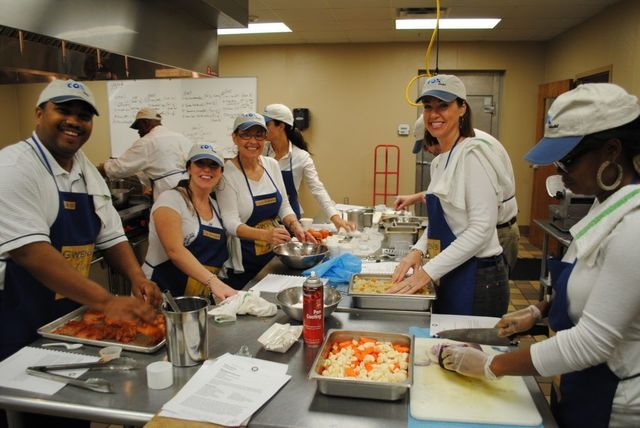
Baking and pastry professionals are needed wherever high-quality breads, desserts, cakes, confections, and specialty treats are made and served — including LCI's own catering operation, Bacon & Fig Events, which gives current students real-world catering exposure. With hands-on training and a strong culinary foundation, graduates can pursue a career path that fits their interests, creativity, and professional goals.
Curious how this looks in practice? Explore LCI student and alumni spotlights to see how graduates have built careers across the baking, pastry, and hospitality industry.
FAQ: Baking and Pastry Degree Questions
Is a baking and pastry degree the same as a culinary arts degree?
No. A baking and pastry degree focuses specifically on baked goods, desserts, and confections, while a broader culinary arts degree covers savory cooking, kitchen management, and general professional cooking techniques.
How long does it take to earn a baking and pastry degree?
Program length varies by school. Louisiana Culinary Institute's Advanced Baking and Pastry program combines hands-on labs with academic coursework; prospective students can review current program length and schedule details directly with admissions.
Do you need prior baking experience to enroll?
No. Programs are built to teach foundational and advanced techniques from the ground up, so students can enroll with any level of prior baking experience.
What skills matter most for a baking and pastry career besides baking itself?
Business knowledge, including recipe costing, kitchen efficiency, and leadership, matters as much as technical skill, since most baking and pastry roles involve managing costs and operations alongside creative work.
Ready to Start Your Baking and Pastry Career?
Turn your passion for baking into professional culinary skills. Explore Louisiana Culinary Institute's Advanced Baking and Pastry program and apply today to take the next step toward a career in the culinary industry.