Do I Need to go to Culinary School to Become a Professional Chef?
Editor's note: This post was originally published on October 31, 2017, and has been updated for accuracy and relevance.
If you’re working toward a career as a professional chef, chances are you already bring passion and creativity to the kitchen. But passion alone isn’t always enough to succeed in such a competitive industry. Culinary school offers a structured path to gain the technical training, real-world experience, and industry connections that can set you apart.
While attending culinary school isn’t mandatory, earning a culinary arts degree can give you a significant advantage. It provides the foundation of skills and knowledge that employers value and helps open doors to opportunities that might otherwise take years to achieve.
Can You Become a Chef Without Culinary School?
It’s possible to work your way up in a restaurant kitchen through hands-on experience. However, without formal training, the path can be longer and more challenging. Professional kitchens demand advanced skills in technique, safety, speed, and consistency. These skills are taught and reinforced in a structured culinary program.
Much like athletes rarely make it to the pros without years of structured training, few chefs rise to the top without formal education and mentorship.
The Benefits of Attending Culinary School
While culinary school isn’t required, it offers a wealth of benefits that can fast-track your career:
1. Mastery of Culinary Techniques
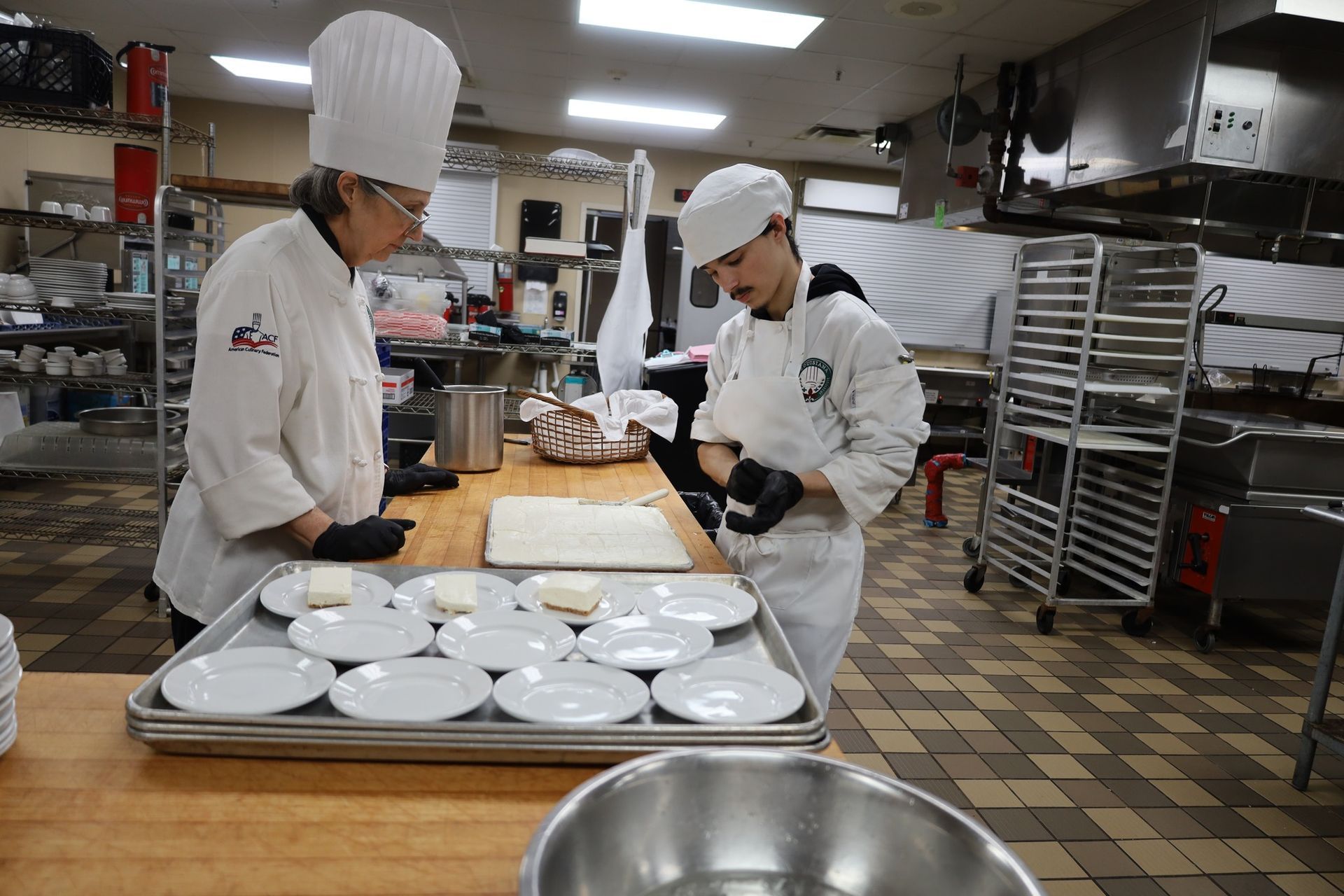
In culinary school, you’ll gain a foundation in essential cooking methods, knife skills, baking, pastry, and food safety. These technical skills are what employers look for when hiring chefs.
2. Career-Focused Curriculum
Whether you want to be a chef, pastry chef, restaurant manager, or work in hospitality, culinary programs offer courses tailored to your career goals. You’ll graduate with a versatile skillset that opens doors across the food service industry.
3. Beyond the Kitchen: Leadership and Business Skills
Success as a chef requires more than cooking ability. Culinary school also teaches valuable skills like marketing, communication, leadership, accounting, and entrepreneurship. These tools prepare you for long-term career growth, including opening your own restaurant.
4. Networking and Career Support
One of the most overlooked benefits of culinary school is the networking opportunities. Schools like Louisiana Culinary Institute (LCI) connect students with industry professionals, internships, and job placements. Faculty are invested in your success, helping with scholarships, resume development, and interview preparation. These connections can make all the difference when starting your career.
Culinary Arts Degrees at Louisiana Culinary Institute
At Louisiana Culinary Institute, you can earn an Associate’s Degree in Occupational Studies in just 16 months. Programs include:
- Advanced Culinary Arts with a Savory Concentration
- Advanced Culinary Arts with a Baking and Pastry Concentration
- Hospitality and Culinary Management
Each program blends hands-on training with classroom instruction, giving you both technical expertise and business knowledge.
While it’s possible to pursue a career as a chef without formal schooling, attending culinary school provides a structured, efficient path to success. You’ll graduate with professional skills, industry connections, and the confidence to excel in a competitive field.
If you’re ready to turn your passion for food into a career,
explore the programs at Louisiana Culinary Institute today. With hands-on training, experienced instructors, and career-focused degrees, LCI prepares you for more than just a job. It prepares you for a lifelong profession in the culinary arts.