Building a Successful Culinary Career: Skills That Prepare Students for Real-World Success
When most people think about culinary school, they picture students learning knife skills, mastering sauces, and plating beautiful dishes. Those technical skills are absolutely important, but they are only part of what creates a successful culinary professional.
The reality is that long-term success in the food and hospitality industry requires much more than the ability to cook well. Culinary professionals also need leadership skills, communication abilities, adaptability, professionalism, and business knowledge to build careers that can grow over time.
The best culinary education prepares students not only for their first kitchen job, but for the long-term realities of working in a fast-paced and constantly evolving industry.
How Does Strong Communication Improve Kitchen Performance?
Professional kitchens rely heavily on communication. During a busy service, every team member must work together efficiently to keep orders moving, maintain quality standards, and create a positive guest experience.
A lack of communication can quickly create problems:
- Delayed orders
- Incorrect dishes
- Frustration among team members
- Breakdowns between front-of-house and back-of-house staff
That is why communication skills are just as valuable as technical ability in many kitchen environments.
Successful culinary professionals must learn how to:
- Take direction effectively
- Communicate clearly under pressure
- Work collaboratively with others
- Handle stressful situations professionally
- Adapt when unexpected challenges arise
These soft skills often become the difference between someone who simply works in a kitchen and someone who advances into leadership roles.
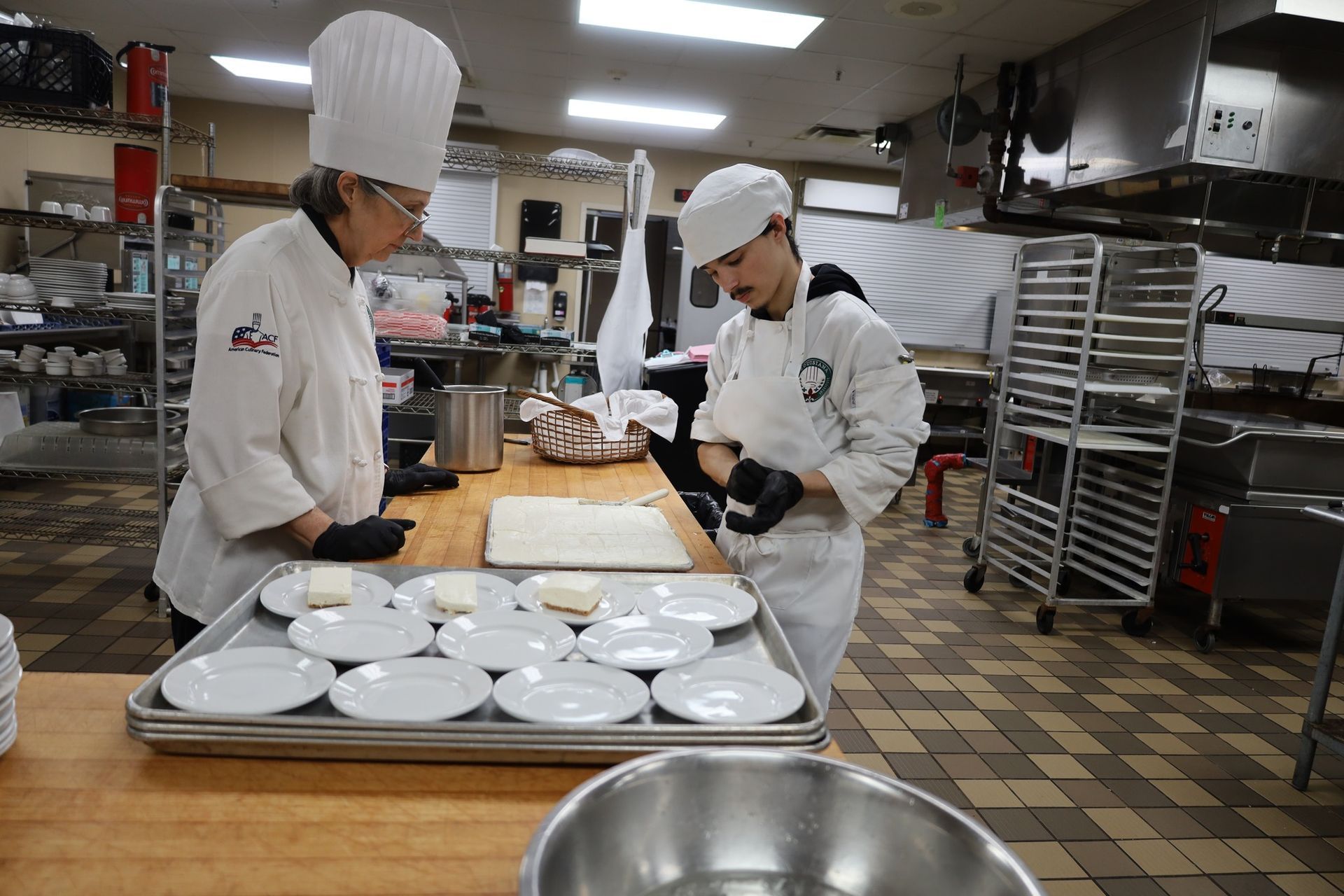
Hands-on kitchen environments help students develop these communication habits early by exposing them to real teamwork, timing expectations, and service pressures that mirror the professional world.
Can You Be a Successful Chef Without Leadership Skills?
Being a great cook does not automatically make someone a great leader. Running a successful kitchen requires much more than technical skill.
Culinary leaders must know how to:
- Manage time efficiently
- Delegate responsibilities
- Keep teams organized during service
- Solve problems quickly
- Stay professional under pressure
These leadership skills become increasingly important as culinary professionals move into roles like sous chef, executive chef, catering manager, or restaurant owner.
The culinary industry values professionals who can lead a team just as effectively as they can execute a dish. Students who begin developing leadership skills early often position themselves for stronger long-term career growth.
Can Business Knowledge Help Chefs Build Better Careers?
Cooking skills alone are not enough to build a long-term culinary career. Understanding how restaurants and hospitality businesses operate is just as important for long-term success.
Culinary professionals benefit from understanding:
- Food costs
- Menu pricing
- Inventory management
- Labor efficiency
- Profit margins
- Customer service expectations
Even culinary professionals who never plan to own a business become more valuable when they understand how restaurant operations function beyond the kitchen line.
This knowledge helps future chefs make smarter decisions, work more effectively with management teams, and better understand how their role impacts the success of an entire operation.
How Can Culinary Students Prepare for an Evolving Industry?
The food and hospitality industry changes constantly. Dining trends evolve, customer expectations shift, technology advances, and kitchens continue adapting to new challenges.
The professionals who build lasting careers are often the ones who remain flexible and willing to grow.
Adaptability helps culinary graduates pursue opportunities across many different career paths, including:
- Restaurants
- Hotels and resorts
- Catering companies
- Food media
- Bakery and pastry operations
- Hospitality management
- Private chef services
Students who gain experience in multiple kitchen environments and cooking styles are often better prepared for the realities of the industry after graduation.
Exposure to fast-paced, hands-on learning environments also teaches students how to adjust quickly, solve problems under pressure, and stay confident when situations change unexpectedly.
Enroll in a Culinary School That Prepares You for the Real World
The culinary industry is competitive, fast-moving, and constantly evolving. The sooner students begin developing real-world experience and industry-ready skills, the stronger their foundation becomes for future opportunities.
Choosing the right culinary school can shape not only where your career starts, but where it can eventually take you.
At Louisiana Culinary Institute, students train in hands-on kitchen environments led by experienced chef instructors who understand what today’s industry demands. If you are serious about turning your passion for food into a long-term career, now is the time to take the first step.
Schedule a campus tour today and see what your future in the culinary industry could look like.