From Family Kitchens to Future Private Chef: Leah Landers’ Path at LCI
For Leah Landers, a future in food started long before she ever considered culinary school.
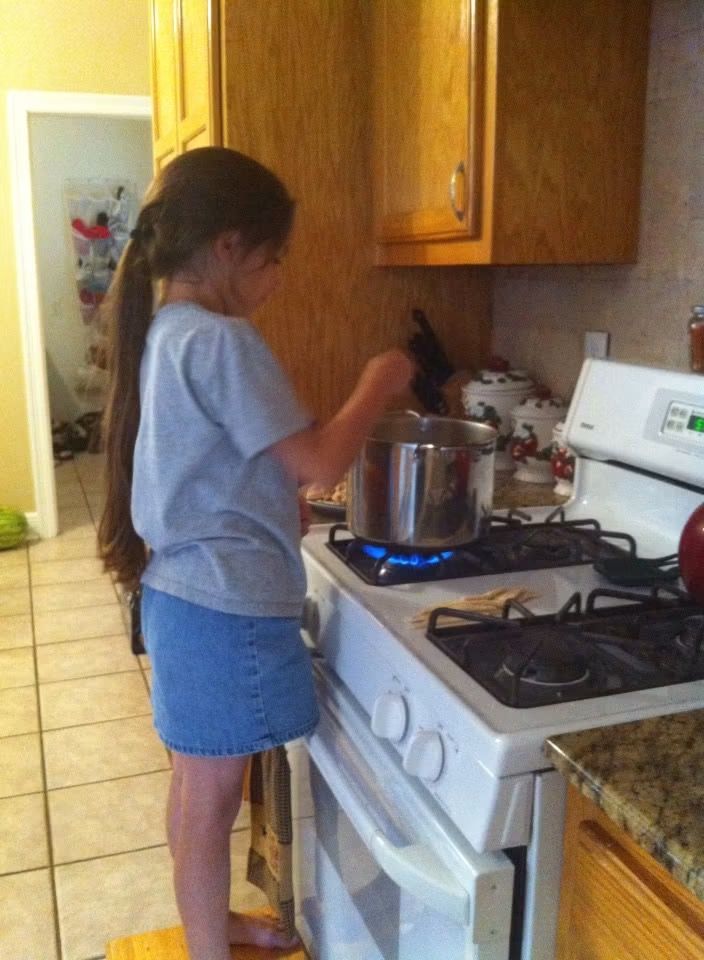
Growing up in Watson, Louisiana, some of her earliest memories in the kitchen were spent alongside her mom and grandmother, canning food, helping prepare meals, and simply enjoying the time they spent together. As she got older, Leah kept cooking and baking on her own, making cakes for family members and decorating sugar cookies at home. What began as family time slowly became a passion.
At first, Leah wasn’t sure that passion would become her career. Today, she is on a path that could lead to two associate degrees from Louisiana Culinary Institute and a much broader set of culinary skills than she originally imagined.
How Do You Know If Culinary School Is The Right Choice For You?
If you already find yourself happiest in the kitchen, culinary school can help turn that natural interest into professional skills and a possible career.
That was the realization Leah eventually had.
After graduating from high school in 2024, she took a gap year and worked at a veterinary clinic. She knew fairly quickly that it wasn’t where she wanted to build her career, but she still wasn’t sure what direction to take.
Her parents saw something she hadn’t fully recognized yet.
“They were just like, ‘You cook all the time. You’re really good at it. Why don’t you just make a career out of it?” Leah said.
Her mom began researching culinary programs and found Louisiana Culinary Institute. After Leah toured the campus, the idea of turning something she had loved since childhood into a profession began to feel real.
“The tour was good. Everybody was very nice,” she said. “It definitely helped solidify my decision.”
Should Aspiring Chefs Study Both Savory Cooking and Pastry Arts?
Studying both pastry arts and savory cooking can give a culinary student a much broader skill set and more flexibility when choosing a career path.
Leah learned that somewhat unexpectedly.
She initially planned to enroll in LCI’s Culinary Arts program to focus on savory cooking. When the available spots were filled, she decided to begin in Advanced Baking & Pastry instead.
At first, it wasn’t the path she had pictured for herself.
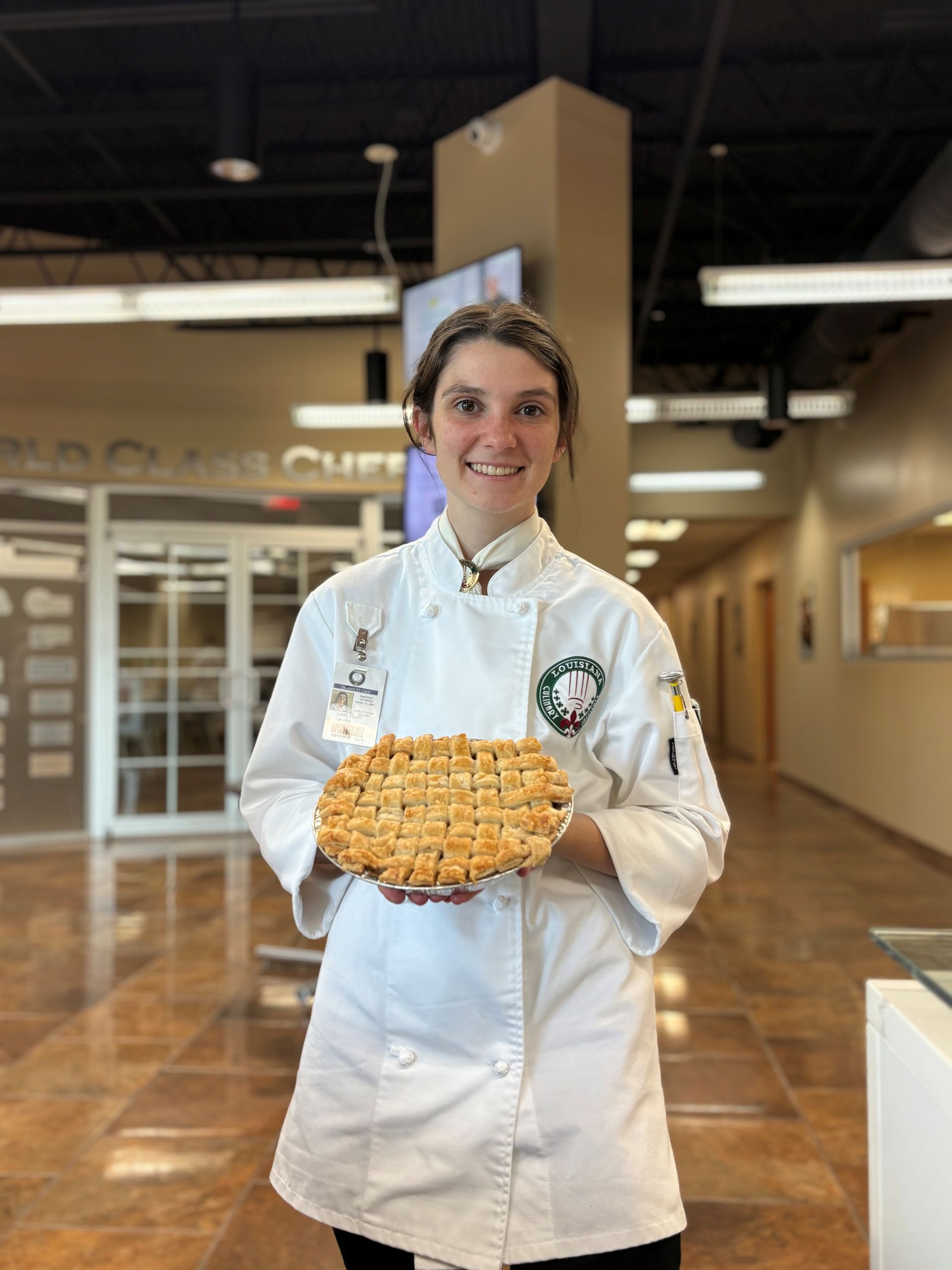
But Leah had already spent years baking at home, making cookies, cakes, and decorated sugar cookies for family and friends. Once she began formal pastry training, she started realizing how valuable those skills could be.
And today, she is extremely glad she started there.
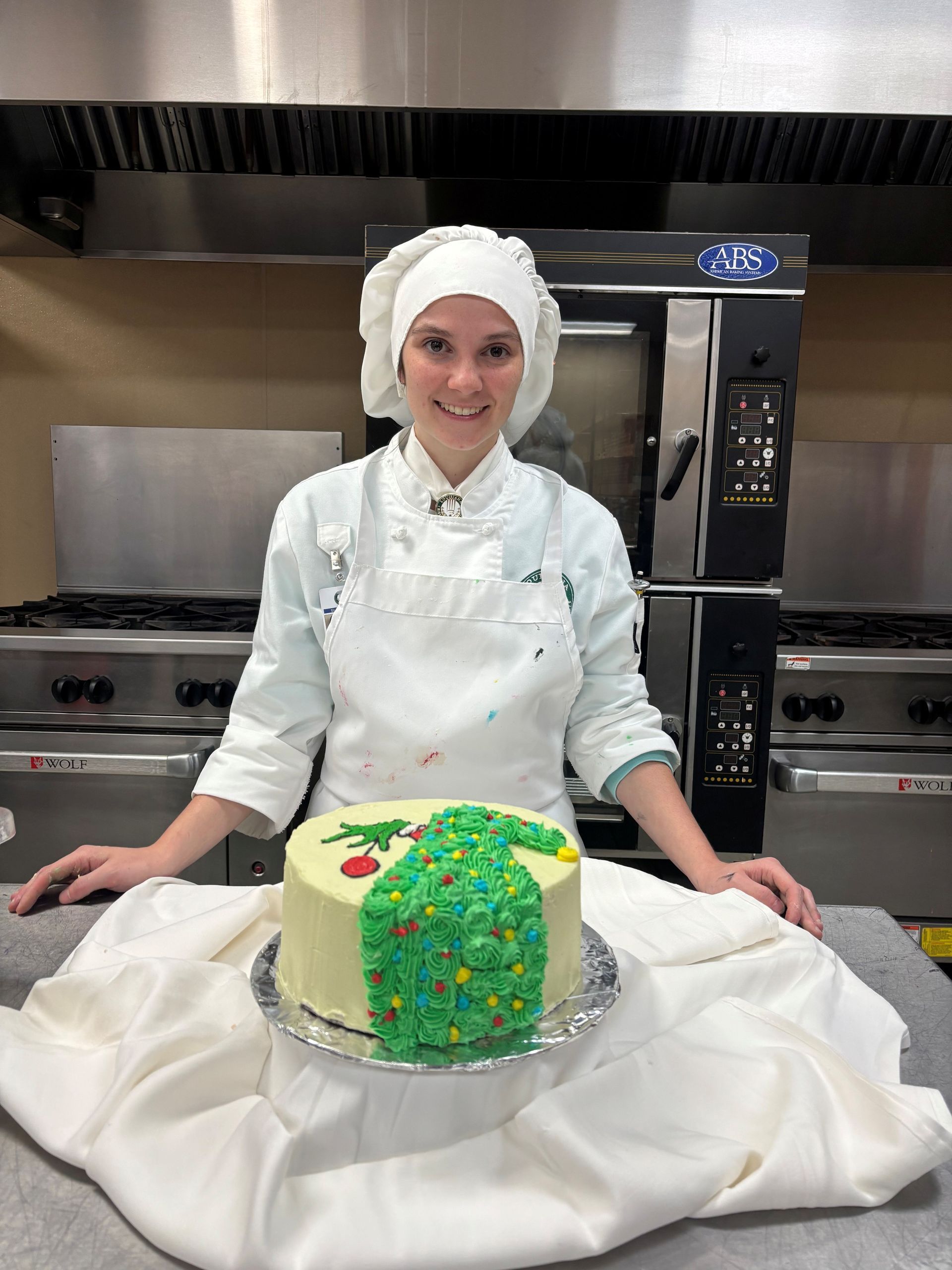
“My cake decorating skills have gotten 100 times better,” she said.
What initially felt like a detour became an opportunity to develop an entirely new level of confidence in the pastry kitchen.
What Are The Benefits Of Earning Degrees In Both Baking & Pastry and Culinary Arts?
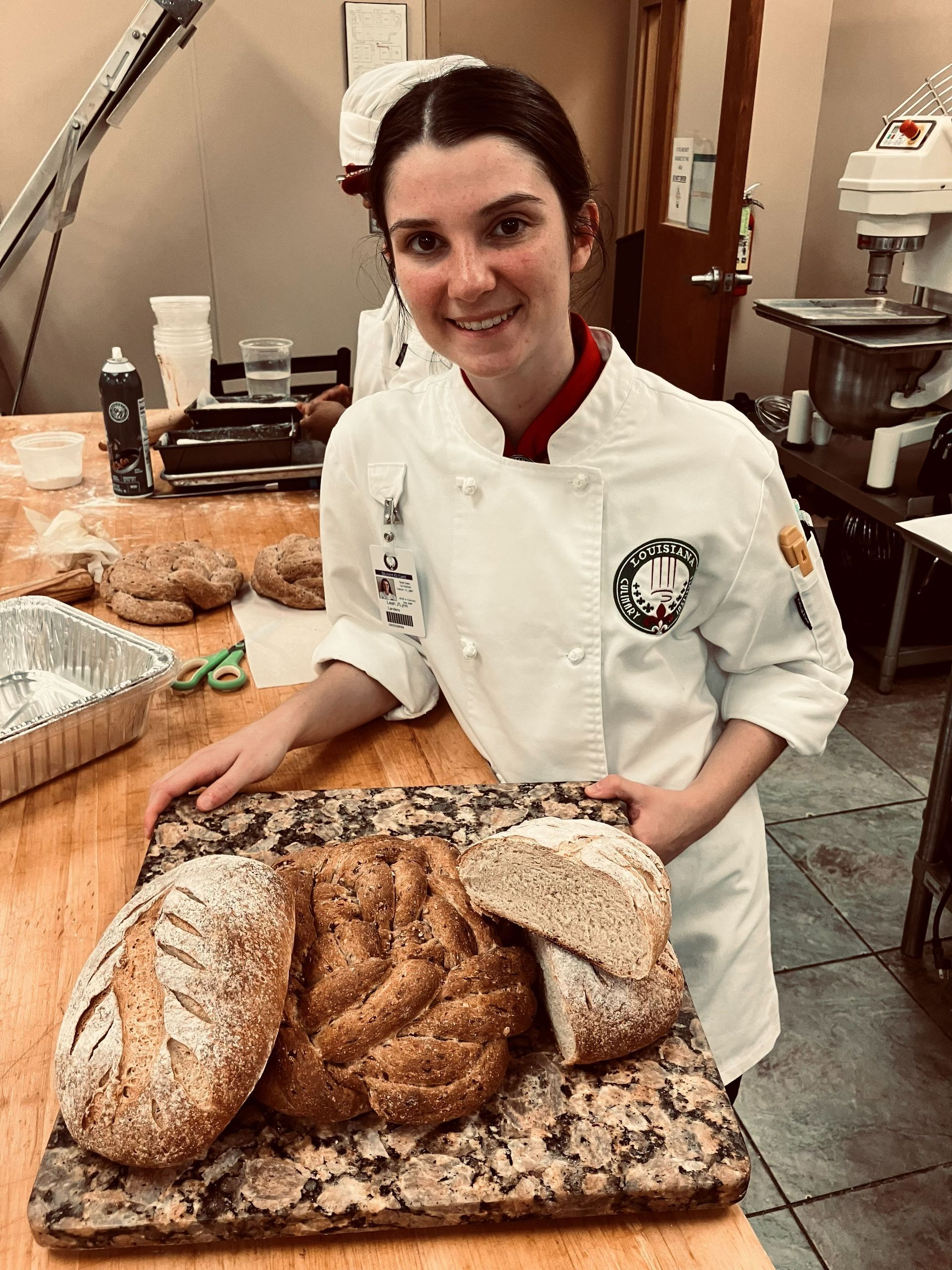
Completing both programs can help students become more well-rounded culinary professionals by developing skills across desserts, breads, pastries, savory cooking, kitchen operations, and menu preparation.
That is now the path Leah is pursuing.
She plans to finish the Baking & Pastry program before continuing into LCI’s Culinary Arts program, giving her the opportunity to build expertise on both sides of the kitchen.
For Leah, that combination has opened up possibilities she may not have considered when she first enrolled.
Instead of seeing herself only as a savory cook or only as a baker, she is developing the ability to create an entire dining experience, from the first course through dessert.
That versatility will be especially valuable for one of her long-term goals: becoming a private chef.
How Can Culinary School Prepare You To Become A Private Chef?
Private chefs often need a wide range of skills because they may be responsible for planning and preparing an entire meal based on an individual client’s preferences.
That makes Leah’s decision to study both pastry and culinary arts especially useful.
A private chef might be asked to prepare a favorite comfort food one evening, a multi-course dinner for a special event the next, and a custom dessert to finish the experience. Leah’s training in both programs can help prepare her for that kind of variety.
It is one reason she now sees beginning in Baking & Pastry as an advantage rather than a change of plans.
The program didn’t pull her away from her original goal. It broadened what she will be able to do once she gets there.
What Is Hands-On Culinary School Really Like?
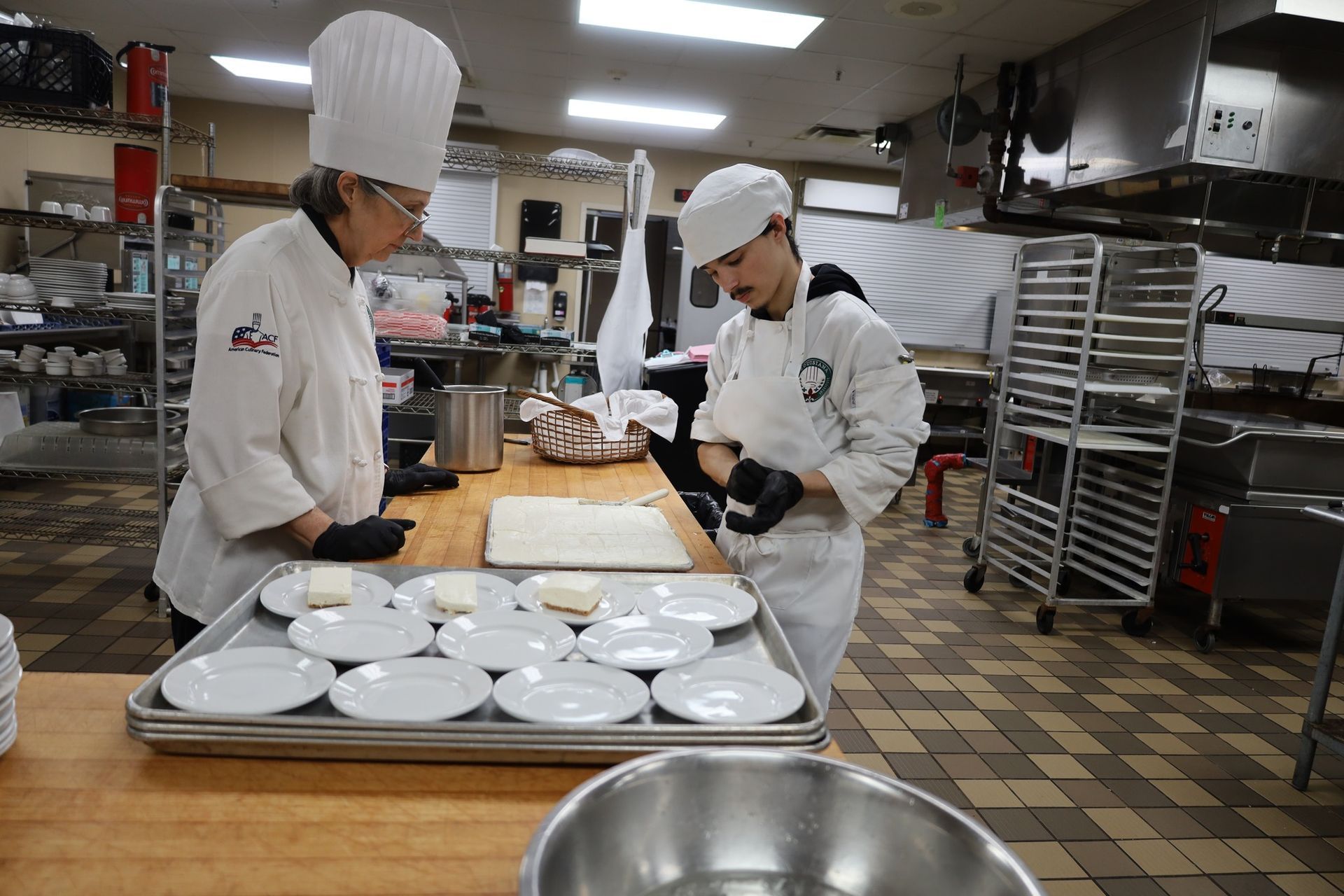
Hands-on culinary school combines instruction, demonstration, and real kitchen experience so students can learn techniques by actually practicing them.
For Leah, one of the most valuable parts of LCI has been learning from chef instructors who understand that students don’t all learn the same way.
Some students need a detailed explanation. Others understand a technique better after watching it demonstrated.
“They’re very helpful,” Leah said. “Some of them are very good with the way that they answer your questions, and some of them do better showing you.”
She specifically credits Chef Chris and Chef Colt with helping her grow through a mix of clear instruction, hands-on guidance, and collaboration in the kitchen.
Leah has also had opportunities to see what professional culinary teamwork looks like outside the classroom. In April, she supported LCI’s work at the Masters, working in the commissary and helping prepare items for other kitchens.
Can Culinary School Turn A Lifelong Passion For Cooking Into A Career?
Yes. Culinary school can give students the training, confidence, and broader experience needed to turn something they have always loved doing into a professional direction.
For Leah, that story has come full circle.
The young girl who spent time cooking and canning beside her mom and grandmother is now developing professional baking, pastry, and savory skills of her own.
What began in her family’s kitchen has grown into a path toward two areas of culinary education, a broader professional skill set, and a possible future as a private chef.
She is even interested in seeing where food might take her beyond Louisiana, with Italy at the top of her list of places she would someday like to visit and experience through its cuisine.
For other students who may be wondering whether they should follow that same instinct, Leah’s advice is simple:
“Do it. You can do anything you put your mind to. It’s a lot of fun. You get to meet all kinds of new people and do what you love.”
Ready to turn your own love of food into a career? Schedule a campus tour today.