From a Childhood Dream to Baking and Pastry School: Zion’s LCI Student Spotlight
Whenever someone asked Zion Arceneaux what she wanted to be when she grew up, her answer was always the same: a baker.
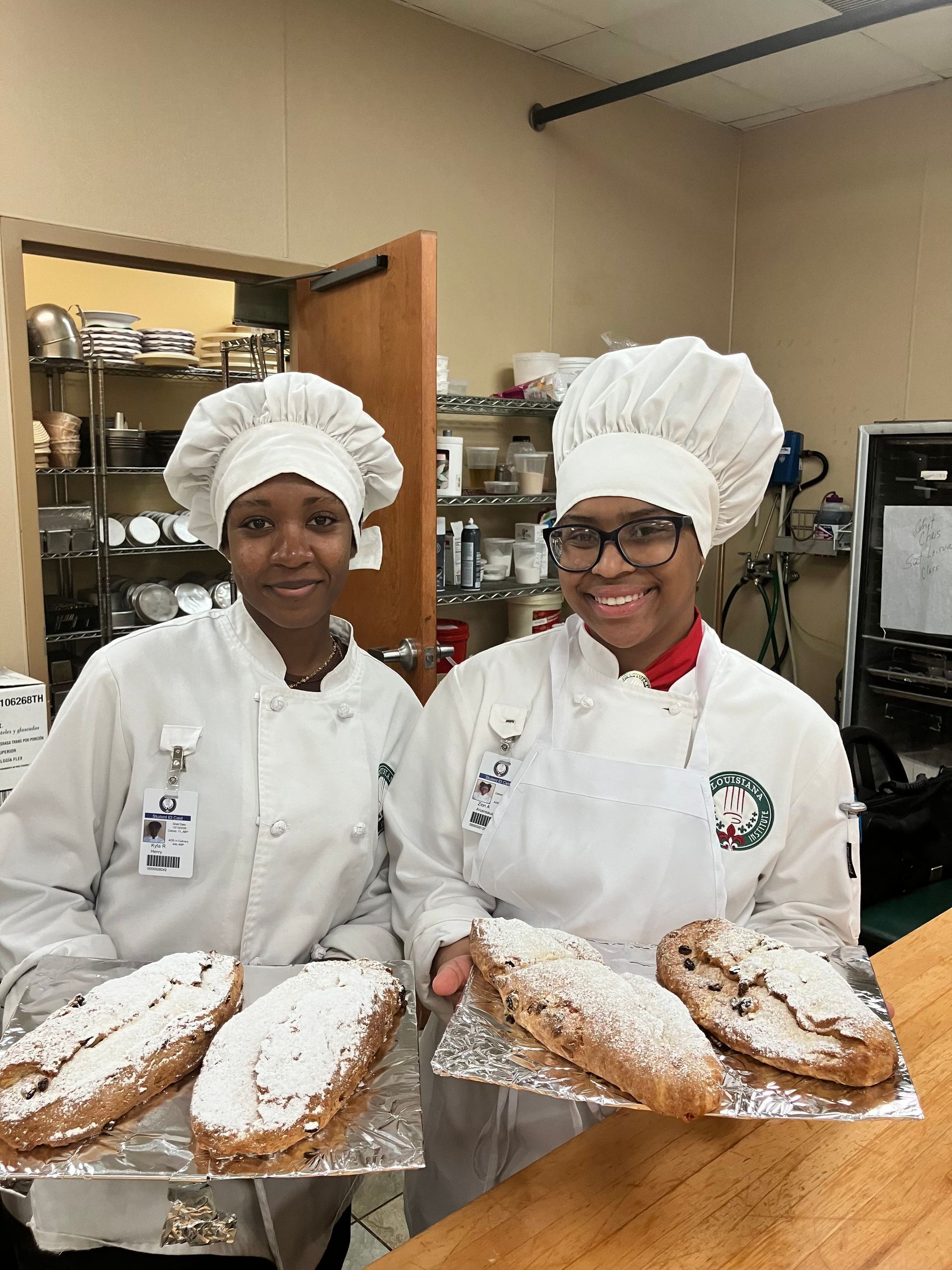
Today, the Gulfport, Mississippi, native is in her final semester at Louisiana Culinary Institute (LCI) in Baton Rouge, Louisiana. Through the school’s Advanced Baking and Pastry program, she is turning that childhood ambition into practical skills, professional kitchen experience, and a plan for her own bakery on wheels.
Between kitchen labs, supportive chef instructors, and jobs in both baking and savory cooking, Zion has discovered how much a culinary education can offer.
What Should You Look for When Choosing a Culinary School?
Look for a culinary school with hands-on training, approachable instructors, career preparation, and a location that fits your needs.
For Zion, staying close to family helped guide her decision. She explored other culinary schools, but her mother encouraged her to choose somewhere closer to home. After taking a virtual tour of LCI, Zion decided to pursue her baking and pastry education in Baton Rouge.
What began as a practical family consideration became a choice she is grateful she made. She loves the school and the support she has found there. Family remains central to her future, too. After school, she plans to return to the Gulfport area, where her mother, grandmother, and aunts live close to one another.
Why Is Hands-On Training Important in Culinary School?
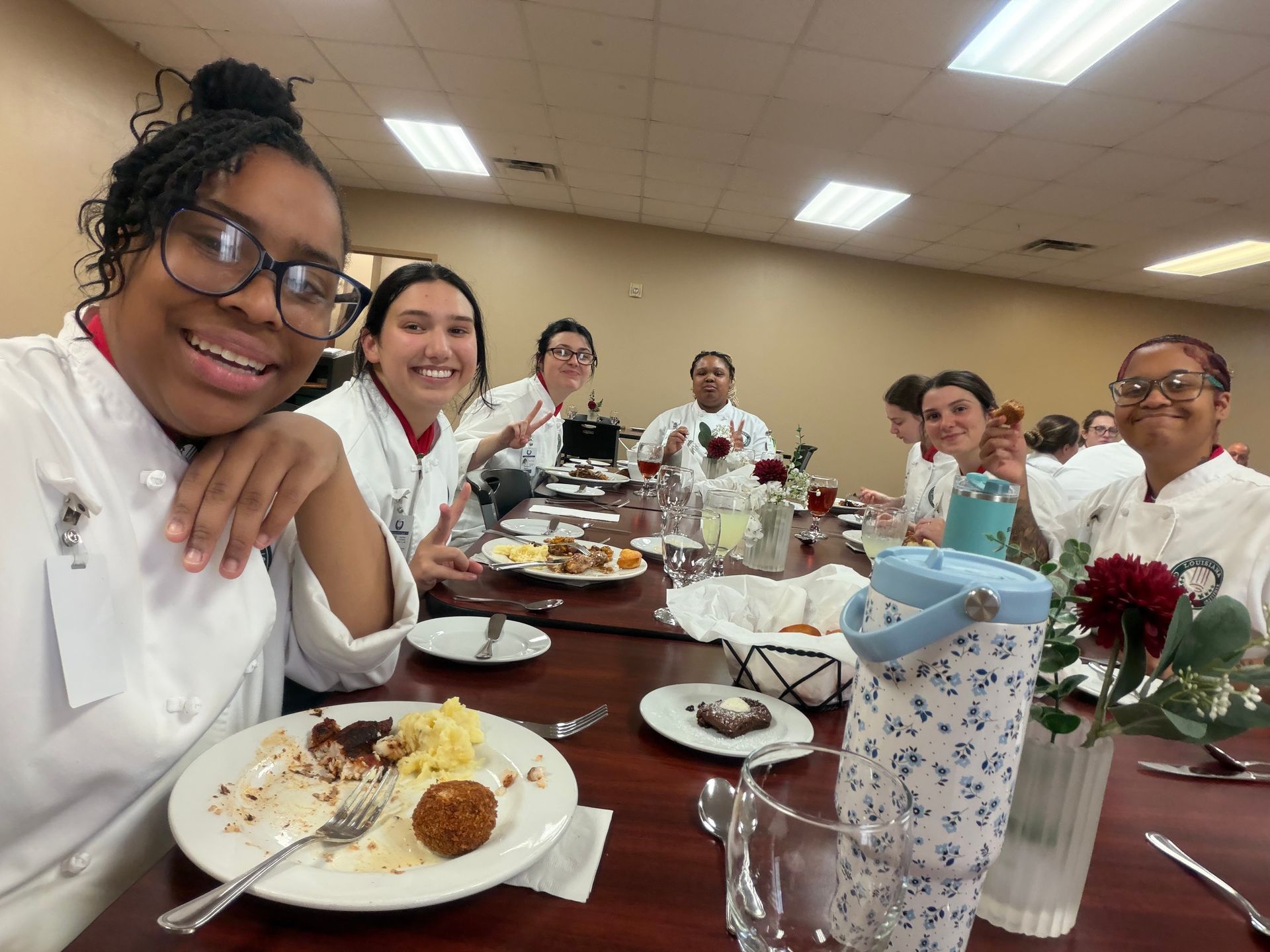
Hands-on training gives culinary students opportunities to practice techniques, ask questions, and receive feedback from chefs while they work. That direct support has been one of the most valuable parts of Zion’s LCI experience. In kitchen labs, she can work through unfamiliar techniques with instructors nearby to help.
For her, learning alongside chefs is essential. She feels an online program would not provide the same experience of working in the kitchen with someone available to guide her through the process.
Her favorite class has been plated desserts with Chef Chris. She also remembers Chef Mike fondly and appreciates the guidance he provided during her time at LCI.
What Do You Learn in Baking and Pastry School?
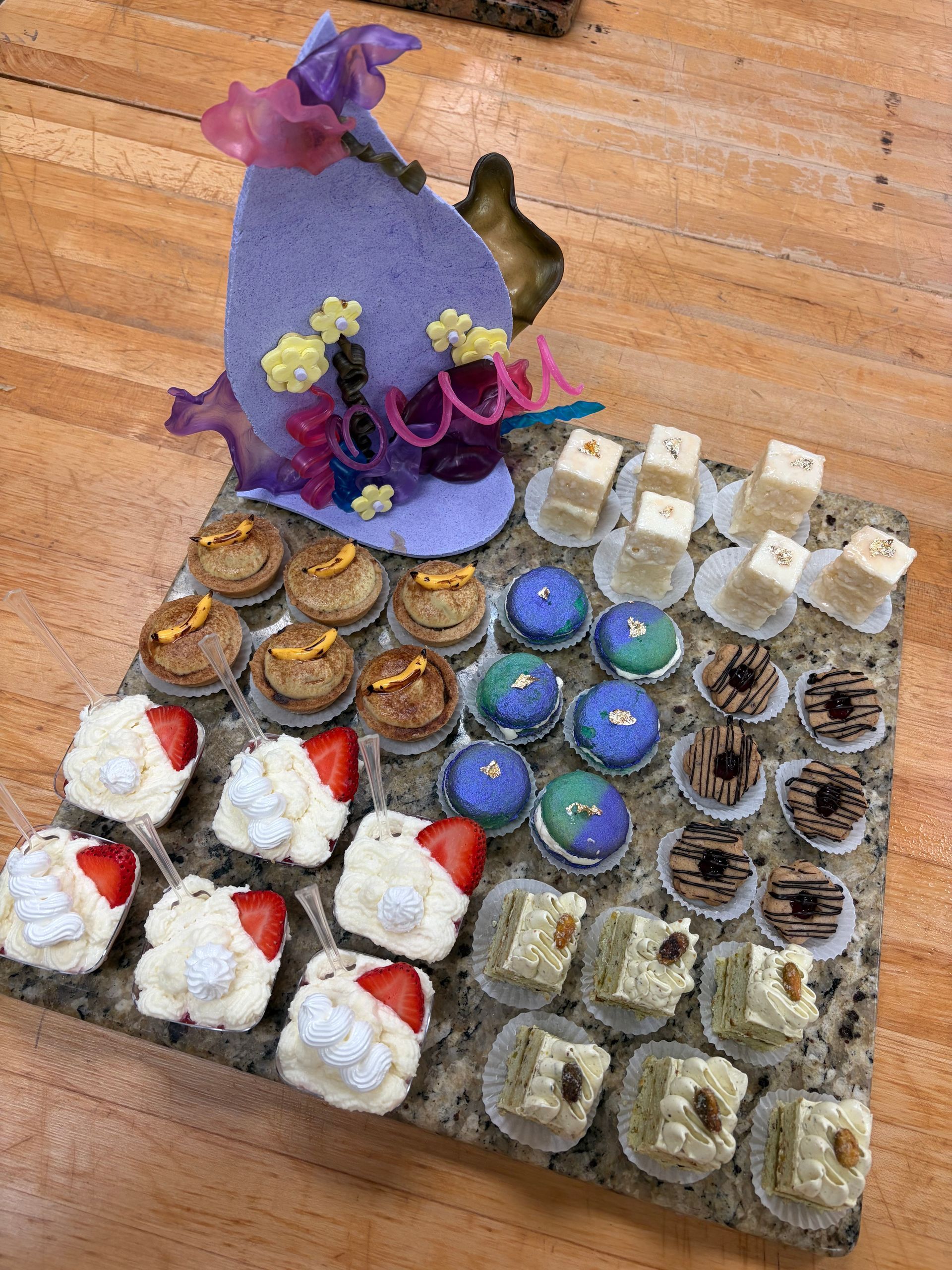
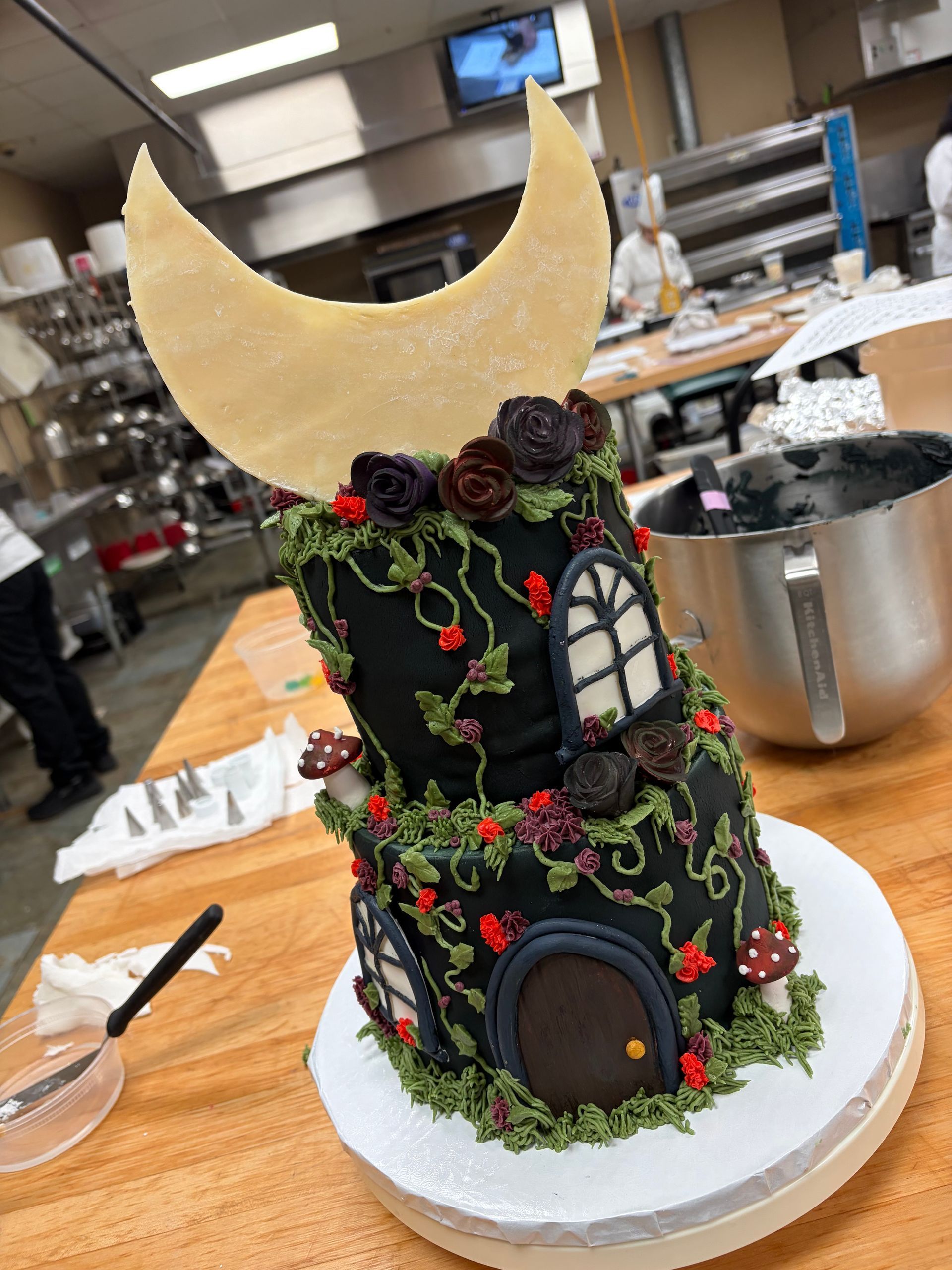
Baking and pastry students learn to prepare breads, cakes, cookies, mousses, fillings, and plated desserts while developing the techniques behind each product. For Zion, one of the earliest desserts she made remains a favorite: chocolate mousse. Although she does not usually consider herself a chocolate fan, the mousse won her over.
“It’s the best thing on earth,” she says.
A peanut butter pâte à bombe preparation was another standout. Experiences like these have introduced her to flavors and methods beyond the baking she imagined when she first enrolled.
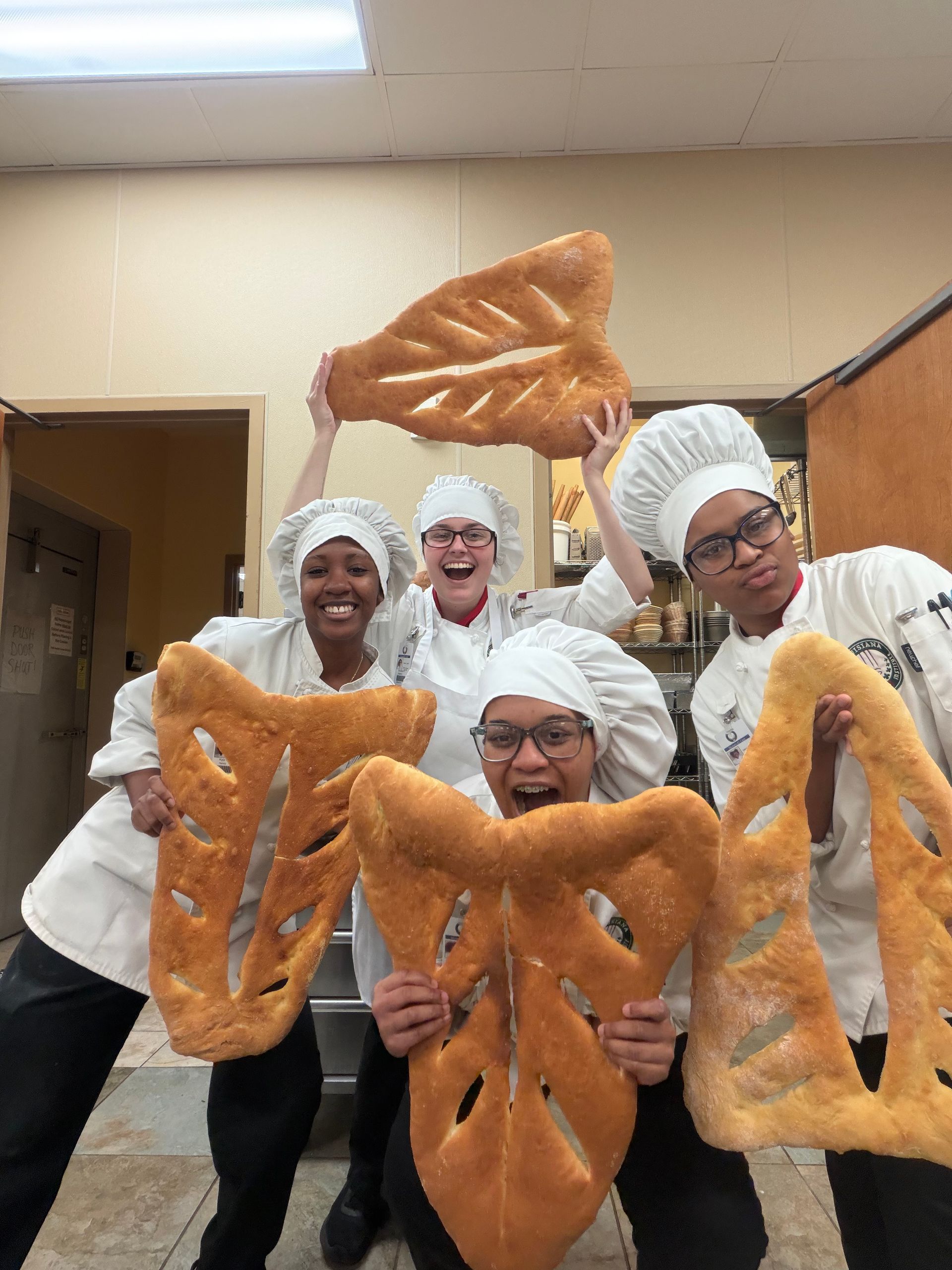
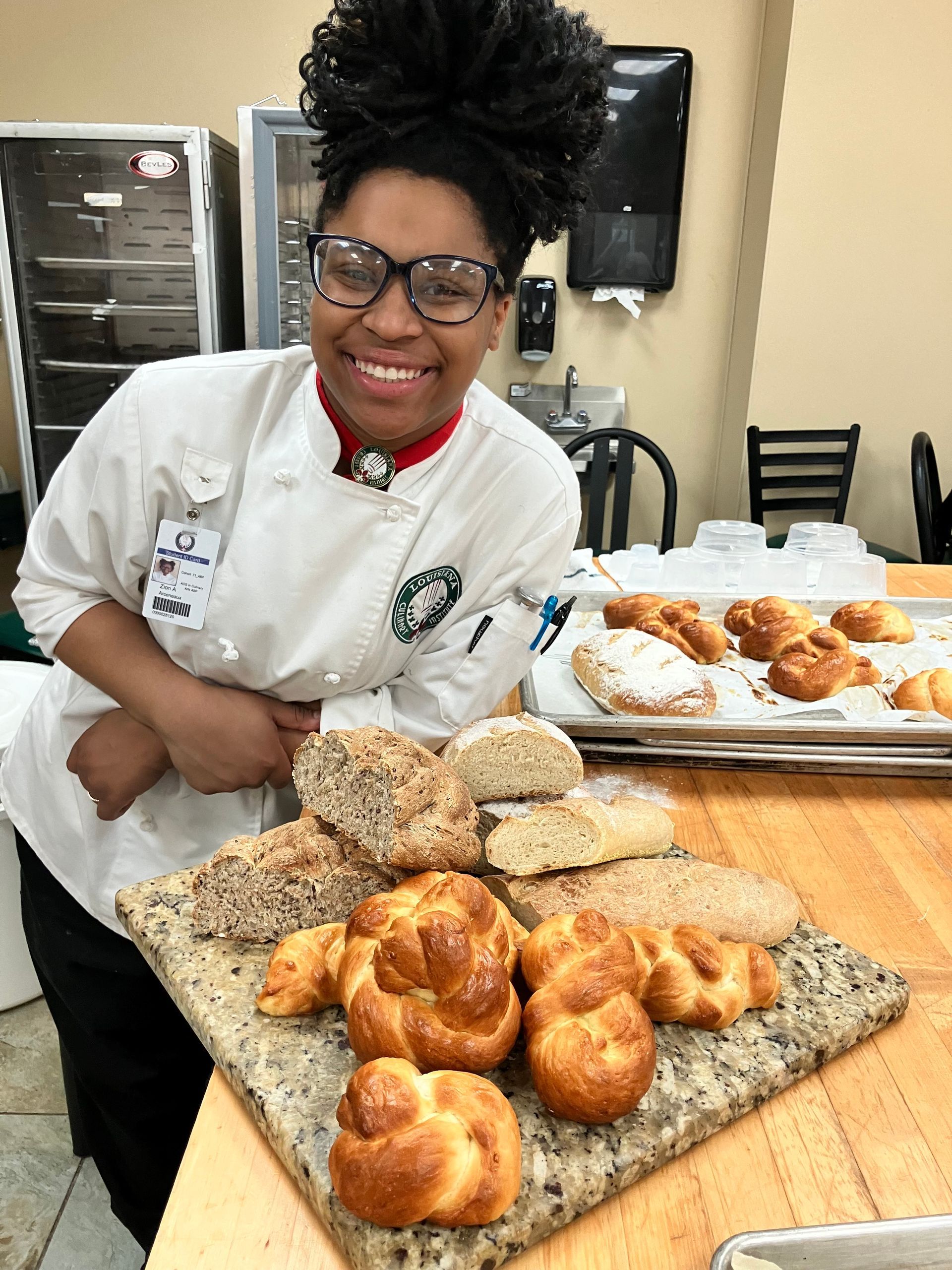
As she approaches her final practical exam, those skills are coming together. Her preparation includes a dozen cookies, soft rolls, braided bread, a chocolate cookie base for a Bavarian dessert, chiffon cake, cooked buttercream, and a Bavarian cream. A separate written exam will also assess her knowledge.
Why Do Baking and Pastry Students Learn Savory Cooking?
Learning savory cooking helps baking and pastry students build broader kitchen skills and understand how different parts of a professional food operation work together.
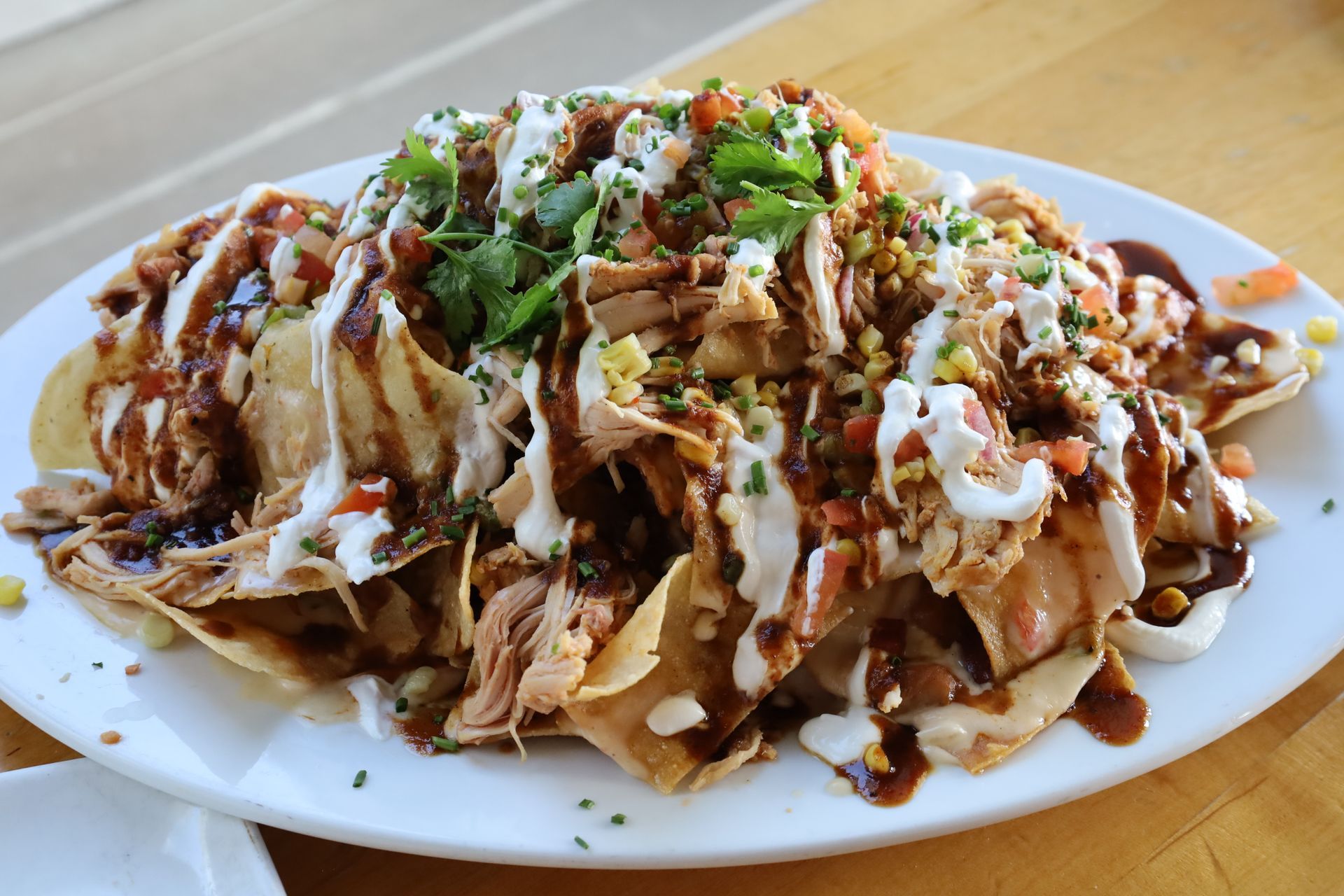
Zion was surprised to learn that studying pastry also meant preparing savory food in kitchen labs. She arrived ready to bake, but soon found herself learning cooking fundamentals beyond the bakeshop.
Now, she appreciates that broader foundation. Understanding both baking and savory preparation has helped her become more versatile.
That variety also appears in her work outside school. Along with baking professionally, Zion works as a line cook, gaining experience in another part of the culinary industry.
Can You Work While Attending Culinary School?
Working while attending culinary school can be possible, depending on your class schedule, job requirements, and ability to manage both commitments. Zion is doing both. At the time of her interview, she was working at Eloise Market and Cakery and The Bulldog.
At Eloise, her responsibilities include baking, helping in the storefront, and assisting with classes. At The Bulldog, she works as a line cook. Together, those roles give her opportunities to apply different parts of her education. LCI’s accelerated, 16-month program also appealed to her. She wanted to begin focused culinary training after high school and move toward her career.
For students considering a similar balance, reviewing the baking and pastry class schedule is a useful first step when planning work hours.
How Does Culinary School Help Students Prepare for Employment?
Culinary school can support career preparation through technical training, career management coursework, professional connections, and help exploring job opportunities.
Zion appreciates that LCI’s instruction reaches beyond recipes. Career Management is part of the baking and pastry curriculum and covers topics such as finding employment, networking, and professional development.
She also values the school’s help connecting students with industry opportunities. In her experience, that support begins while students are enrolled and continues as they prepare to graduate. Seeing LCI alumni seek out current students for employment has impressed her. Those connections help her see how the relationships built in culinary school can continue into working life.
She came to school expecting to learn baking. She has also appreciated learning about the wider industry.
What Careers Can You Pursue After Baking and Pastry School?
Baking and pastry graduates can pursue work in bakeries, restaurants, hotels, and catering operations, or work toward starting a food business.
Zion’s goal is to own a bakery on wheels. A mobile bakery would let her build a business around the work she has wanted to do since childhood. Her current jobs are already introducing her to baking production, customer service, classes, and restaurant cooking.
With plans to return closer to family, she is thinking about how her culinary education can become part of the life she wants to build back home.
What Advice Should You Know Before Starting Culinary School?
Be ready to practice, learn from your instructors, and keep moving toward your goals when the work challenges you.
Zion’s encouragement for anyone considering LCI is direct: “Just do it!”
She wants future students to recognize the pride that can come from committing to something they love. Her advice is to keep moving forward and make the most of the experience.
Reflecting on her own journey, she says, “My time at LCI has been THE BEST.”
For a student who always knew she wanted to bake, culinary school has given her a place to put that ambition into practice and start preparing for what comes next.