The Benefits of Attending a Culinary School with a Full-Service Commercial Kitchen
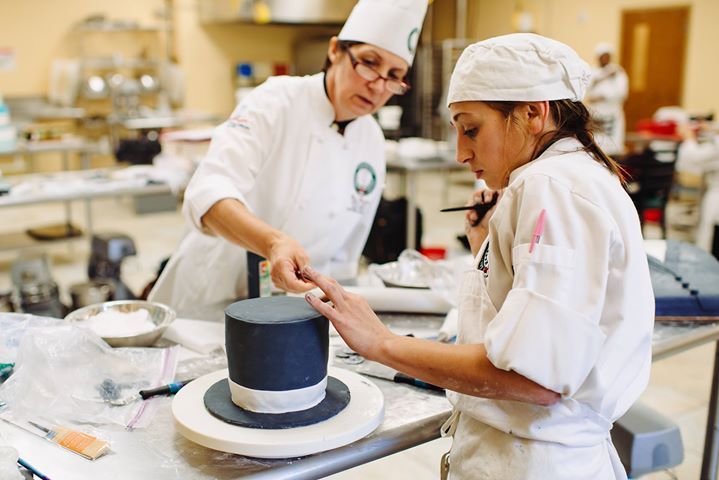
In the culinary world, hands-on experience is not just an advantage—it's an absolute necessity, but not all culinary schools offer hands-on learning in a realistic environment. At LCI, our curriculum incorporates traditional classroom learning with hands-on practice in a full-service commercial kitchen, preparing students for the fast-paced nature of the industry.
Master Essential Culinary Techniques in a Full-Service Kitchen
Attending a culinary school with a full-service commercial kitchen allows students to work with high-quality, professional-grade equipment and tools that they would encounter in the industry. This hands-on experience allows them to master essential culinary techniques such as sautéing, baking, grilling, braising, and sous vide. Students learn how to operate and maintain professional-grade equipment like combi-ovens, blast chillers, salamanders, and pasta machines. By working with these tools, they develop a deep understanding of how to achieve consistent results and refine their skills to a professional standard.
Learn to Handle Challenges In a Real-world Culinary Setting
Students gain valuable experience with the fast-pace and high demands of professional cooking in a commercial kitchen, effectively simulating real-world conditions. They develop essential skills such as managing multiple tasks at once, working efficiently under pressure, adapting to changes, and understanding team dynamics. Whether it’s meeting tight deadlines, handling peak hours, or troubleshooting unexpected challenges like equipment failures or ingredient shortages, students acquire the practical knowledge they need to excel in their culinary careers.
Gain Proficiency in Food Safety and Sanitation Practices
Food safety and sanitation are critical components of LCI’s core curriculum. In a commercial kitchen, students learn the importance of maintaining high standards of hygiene and safety. They are trained in proper hand-washing techniques, how to handle and store ingredients safely, and how to clean and sanitize kitchen equipment and surfaces. Additionally, they learn to identify and address potential hazards such as cross-contamination and foodborne illnesses.
Develop Versatile Skill Sets in a Commercial Kitchen Setting
Working in a full-service commercial kitchen equips students with technical, emotional, and mental preparation for real-world culinary roles. They gain hands-on experience in menu planning, food preparation, and kitchen operations while building essential soft skills like teamwork and leadership. This training is especially valuable for careers in fine dining, catering, or restaurant management, where high standards and attention to detail are critical. By mastering these skills in a commercial setting, students gain the confidence and expertise to excel in competitive culinary environments.
Commercial Kitchens Integrate Business Skills into Culinary Education
In a full-service commercial kitchen, students are not just taught cooking techniques but also gain a comprehensive understanding of the business aspects of running a kitchen. This includes training in cost control, budgeting, inventory management, and menu planning—all essential skills for success in any culinary career. Students learn how to plan and execute cost-effective menus, manage food waste, and ensure profitability while maintaining high standards of food quality. By working with real ingredients and budgets, they develop a practical understanding of how to balance creativity with financial constraints.
The hands-on experience in LCI’s commercial kitchen is an unparalleled learning environment for aspiring chefs, ensuring that they are ready to hit the ground running in their careers once they graduate. By immersing themselves in a professional kitchen environment, students don’t just learn to cook—they learn to thrive in the real world. Apply to LCI today.