Failure in Culinary School: How Mistakes Help Future Chefs Succeed
Cooking shows often make mistakes look dramatic: a missed element, an undercooked protein, a judge shaking their head. Failure is framed as the end.
In real kitchens and in real culinary education, mistakes are just the beginning.
At Louisiana Culinary Institute (LCI), students are not taught to fear mistakes. Instead, mistakes are recognized as a natural and necessary part of becoming a culinary professional. In commercial kitchens, where expectations are high and service is real, failure becomes one of the most effective tools for learning and growth.
Why Are Mistakes Unavoidable In Professional Kitchens?
Professional kitchens move fast. Timelines are tight, service is constant, and conditions change quickly. Even experienced chefs make mistakes.
What separates strong kitchens from struggling ones is not perfection, but the ability to recognize errors, correct them quickly, and apply the lesson moving forward. In Louisiana kitchens, especially, where hospitality and consistency matter, chefs are expected to adapt without letting mistakes derail service.
How Do Real Kitchens Respond When Something Goes Wrong?
In professional kitchens, mistakes are met with problem-solving, not panic.
A dish misses the mark. Seasoning is adjusted.
Timing falls off. The workflow is reorganized.
Plating is inconsistent. The team corrects it and moves on.
This is the reality LCI prepares students for. Kitchens do not stop because something went wrong; they adjust and continue. Learning how to respond calmly and professionally is just as important as mastering any technique.
How Does LCI Teach Students to Learn From Failure Instead of Fearing it?
Louisiana Culinary Institute’s purpose is to educate students to become highly trained professionals in food service operations, and that mission shapes how students are taught.
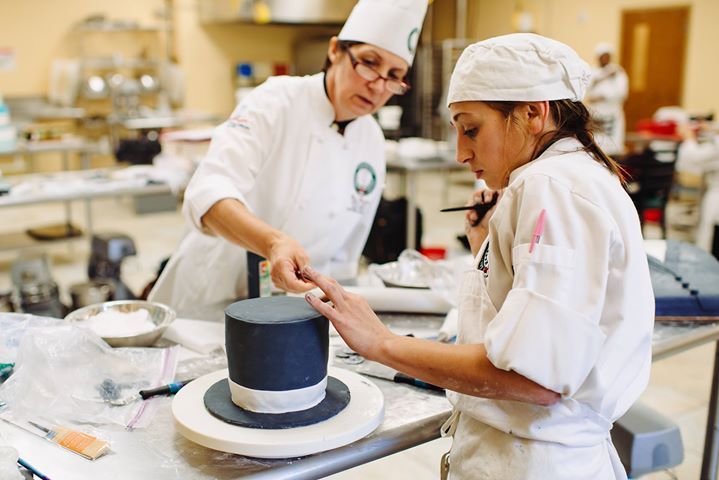
LCI provides full commercial kitchens that reflect the environments graduates will work in. These are not controlled simulations. Students work with professional equipment, real expectations, and real consequences. Mistakes happen, and when they do, they become learning moments.
Students are taught to slow down, identify what went wrong, and immediately apply corrections. This process builds confidence and competence, replacing hesitation with assurance.
Why Does Daily Service Turn Mistakes Into Meaningful Lessons?
At LCI, students serve lunch to their classmates every day, creating a real sense of accountability.
Cooking for real people changes everything. Timing matters. Consistency matters. Recovery matters.
If something goes wrong during service, students must adjust in real time. This daily exposure teaches resilience and decision-making in a way lectures never could. It mirrors the pressure of professional kitchens and prepares students for what comes next.
How Does Mentorship Help Students Grow Through Mistakes?
Failure without guidance can be discouraging, but with mentorship, it leads to progress.
LCI chef instructors guide students through mistakes with constructive feedback and clear instruction. Instead of tearing students down, instructors explain what happened, why it happened, and how to fix it. Students learn when to adjust technique, when to ask for help, and how to improve without losing confidence.
This approach produces chefs who are open to feedback and prepared for leadership.
Why Is Failure Essential To Building Confidence As A Chef?
Confidence does not come from getting everything right the first time. It comes from knowing you can recover.
As students gain experience fixing mistakes, they become more adaptable and less intimidated by pressure. They learn that one misstep does not define them. What matters is how they respond.
This mindset prepares students for long-term success in an industry where challenges are constant.
How Does Failure Prepare Students For Lasting Careers In The Culinary Industry?
The culinary industry demands accountability, flexibility, and consistency. Chefs who cannot handle mistakes burn out quickly. Chefs who learn from them build sustainable careers.
LCI graduates leave with more than technical skills. They understand how to accept feedback, adjust under pressure, and improve with each service. These qualities are just as valuable as what ends up on the plate.
Is Failure Really A Sign Of Progress In Culinary School?
In the right environment, it is.
At Louisiana Culinary Institute, failure is not a setback. It is a stepping stone. It signals that students are working in real kitchens, facing real challenges, and developing the skills required for professional food service.
Because in the culinary world, growth does not come from perfection. It comes from experience, reflection, and the willingness to try again.