Building a Path to Becoming a Chef - Student Spotlight: Joshua “Brodie” Vance
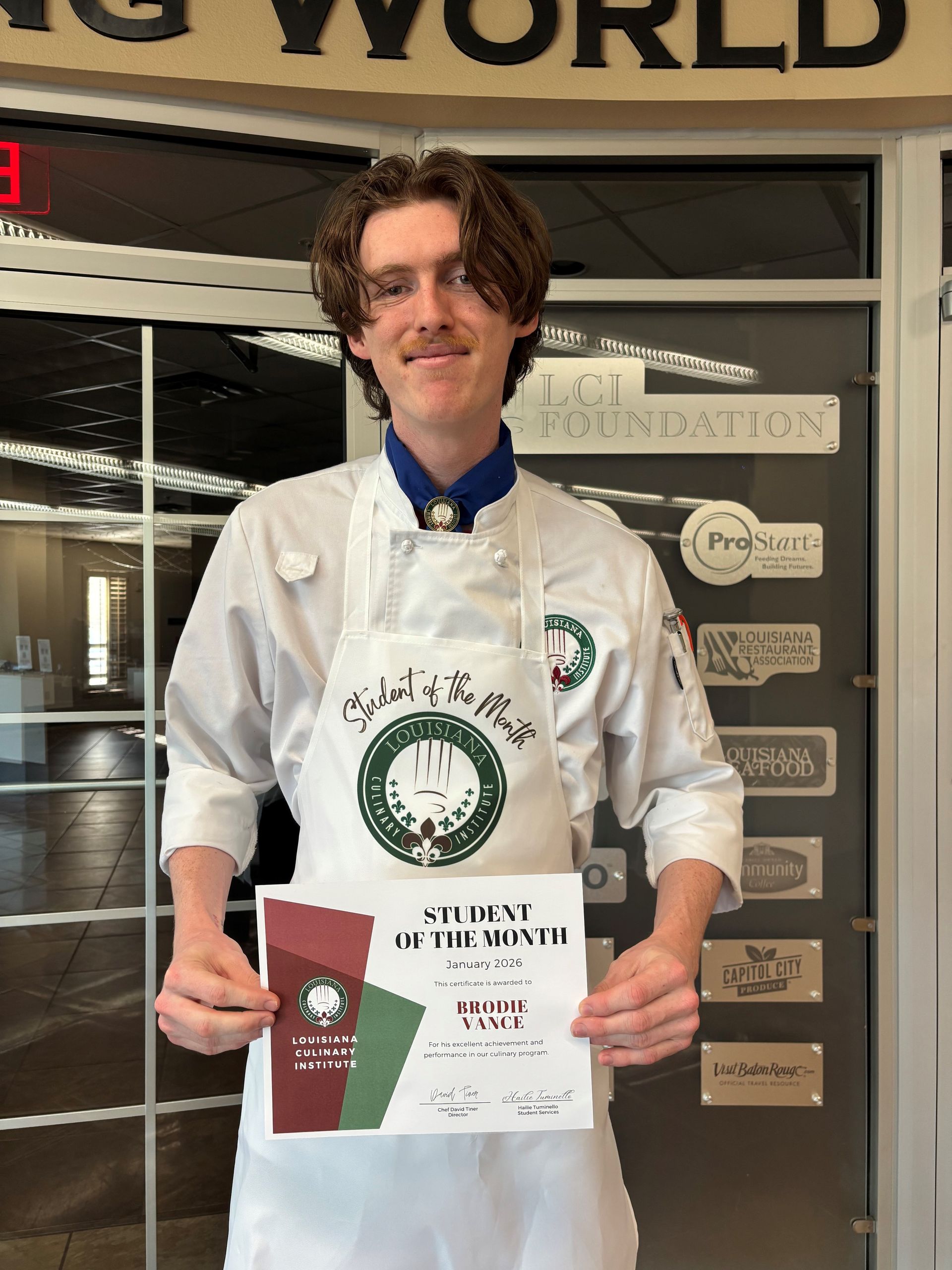
For Joshua “Brodie” Vance, food has always meant more than just a meal. It has meant family, culture, and connection.
Now a sophomore in the Savory program at Louisiana Culinary Institute (LCI) in Baton Rouge, he has found something he never expected from school: belonging, confidence, and a clear path toward becoming a professional chef.
What Motivates People to Choose a Career in Culinary Arts?
For Brodie, this question was shaped by family, tradition, and a deep-rooted connection to food.
Brodie was born in New Orleans and raised primarily in Baton Rouge, Louisiana. His father has worked in the restaurant industry for more than 40 years, building a career across multiple kitchens.
Growing up, his family was known for cooking at home instead of eating out. Fast food was rare. The kitchen was the center of connection.
“Food was how we connected as a family,” Brodie says.
Seafood became part of his identity early. Time spent with grandparents in New Orleans meant crawfish boils, fresh Gulf seafood, and deep exposure to Louisiana culinary culture. A smile crosses his face as he recalls learning to peel crawfish before the age of ten.
Before enrolling in culinary school, Brodie pursued a degree in math at Southeastern Louisiana University. But traditional academics never felt like the right fit.
“I always felt like I hit a wall,” he explains. “With food, I can see where I messed up and figure out how to fix it.”
In the kitchen, mistakes become lessons. That difference changed everything.
Why Should You Attend Culinary School Instead of Learning on the Job?
Before coming to LCI, Brodie had already worked in food service for years. He held positions at Sonic and Government Street Taco (where he worked alongside his dad and under Jay Ducote) and has worked for 3 years as a production cook at Whole Foods.
But experience alone was not enough to achieve his long-term goals. To open his own restaurant, become a sous chef, move into an executive chef role, or work in fine dining, he needed a structured culinary education. This formal training would give him the advanced skills and foundation needed to advance beyond entry-level positions and reach his ambitions.
Culinary school provides technical training, advanced techniques, knowledge of kitchen management, and mentorship from experienced faculty chefs, all of which are difficult to gain through entry-level positions alone.
For Brodie, formal training gave him the confidence and foundation he needed to move beyond line cook roles and toward leadership in the kitchen.
Why Choose a Culinary School in Baton Rouge, Louisiana?
When researching culinary programs in Louisiana, Brodie explored several options, including other schools in the state. However, he wanted a school that focused entirely on culinary arts, not general education courses.
After reviewing the curriculum at Louisiana Culinary Institute, he scheduled a private campus tour with his mom and partner.
"The second I left the tour, I knew I wanted to be here," he says. "I applied within the hour."
LCI stood out because of:
- Hands-on kitchen training from day one
- Small class sizes
- Direct instruction from experienced chef instructors
- Strong industry connections across Louisiana
- A job board filled with real culinary opportunities
For students searching for the best culinary school in Louisiana or a hands-on chef training program in Baton Rouge, visiting the campus can help clarify their decision.
What Is It Like to Be a Student at a Professional Culinary Institute?
Because of his previous academic struggles, Brodie was nervous on his first day at LCI. He worried he would hit another wall.
Instead, he found his niche immediately.
“Meeting all the like-minded people and chefs on day one was amazing.”
For the first time in years, he felt he belonged in an educational setting.
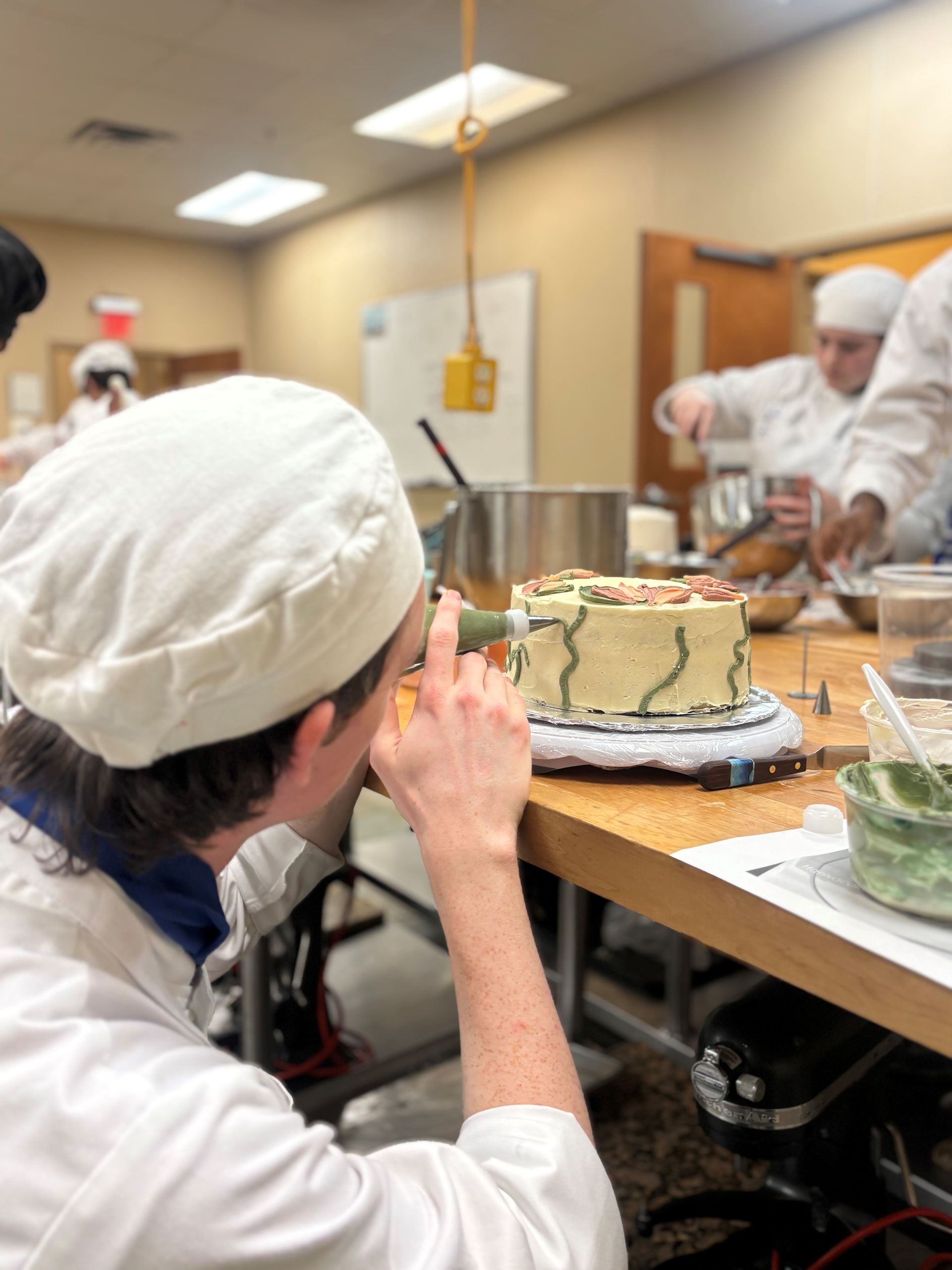
At LCI, learning blends both science and art. The structure of the kitchen environment, combined with creative freedom, helped him thrive.
What Skills Do You Learn in a Culinary Arts Program?
One of the most transformative classes for Brodie has been his Professional Cooking III Class with Chef Mike.
The course explores the basics of meat, poultry, and seafood cookery including:
- Identifying cuts of beef, pork, and lamb
- Protein fabrication
- Proper handling and cooking techniques
- Timing and line work
- Sauce development
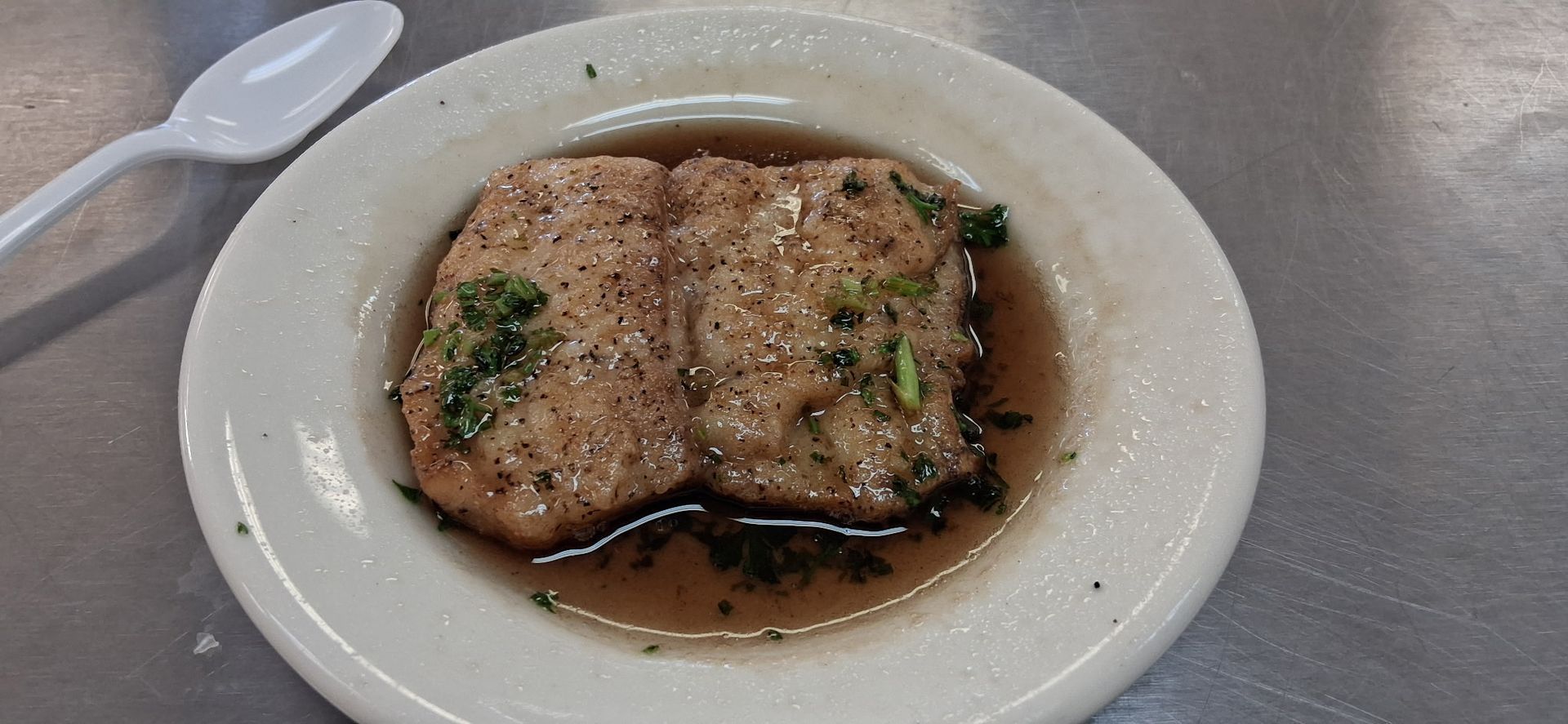
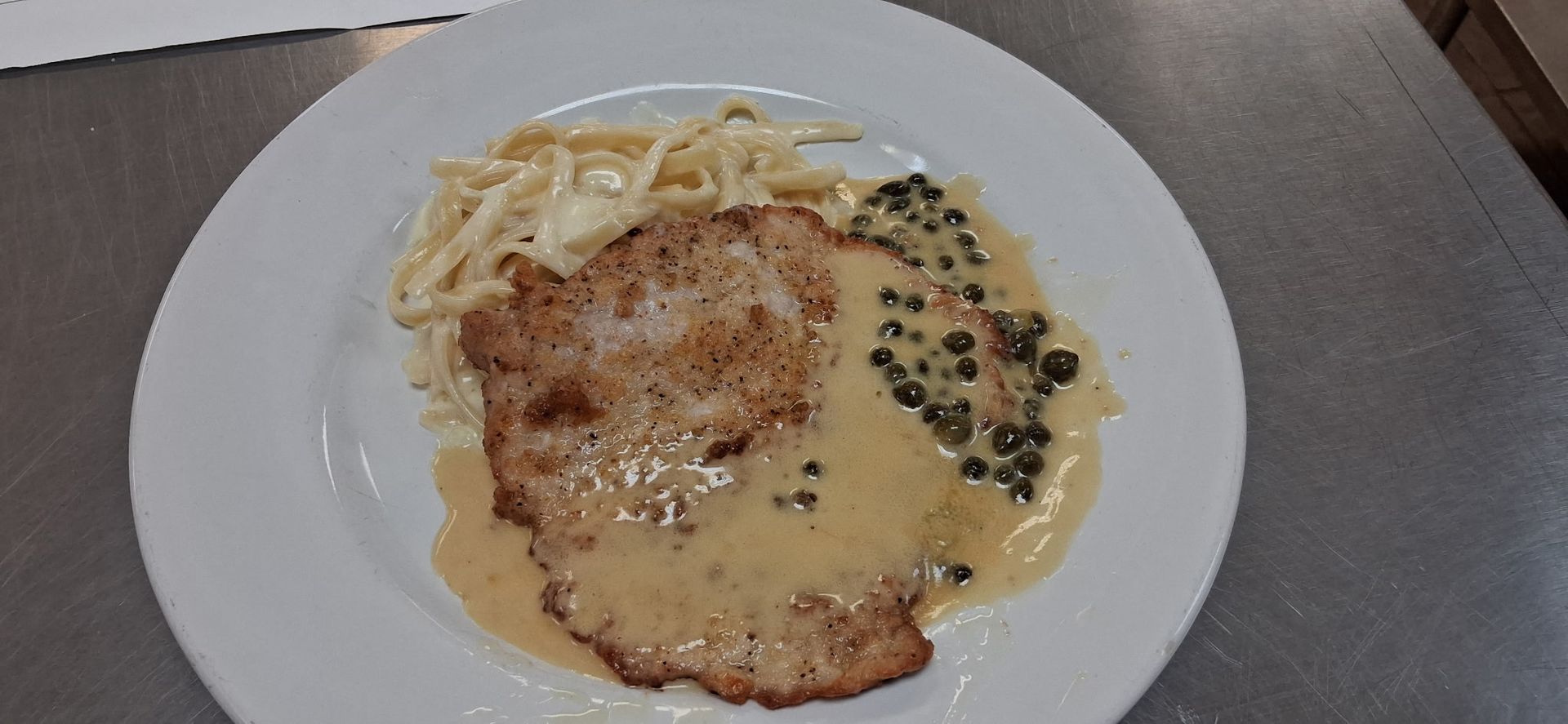
During one class, he prepared pork piccata and fish meunière, but was not satisfied with the result. The color was off. The timing needed refinement. So he went home and made it again. And again. That mindset: analyze, adjust, retry, is reinforced throughout the program.
“I’m my own worst critic,” he says. “There’s always room to improve.”
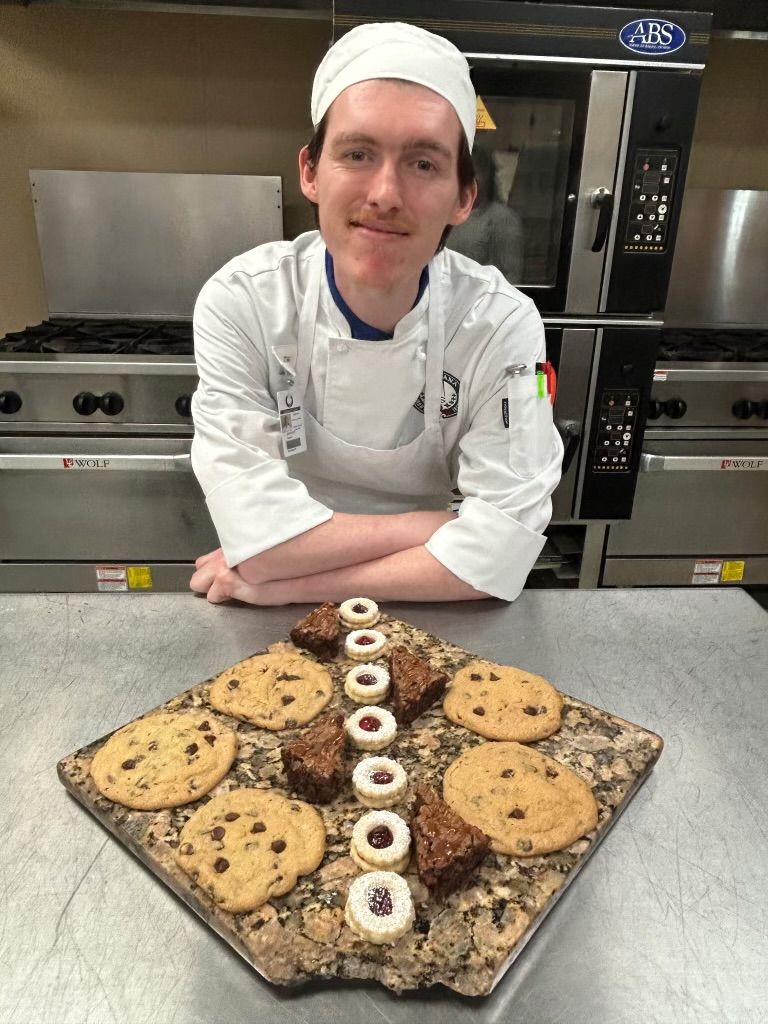
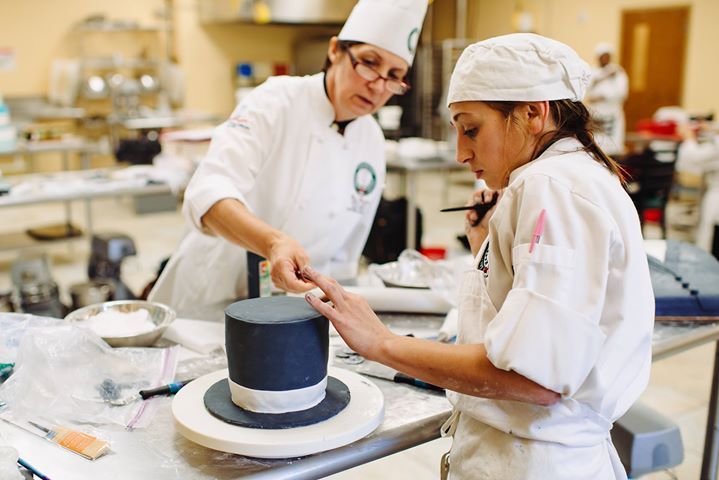
Even baking and pastry courses broadened his perspective. Although enrolled in the Savory track, exposure to pastry arts through instructors such as Chef Savilsky and Chef Chris has led him to consider expanding his training in the future.
How Does Culinary School Prepare You for the Real-World Kitchen?
In addition to classroom instruction, Brodie works as a production cook at Whole Foods, preparing bulk recipes for the hot meal line. The menu rotates every three months, requiring adaptability and consistency.
LCI complements that experience with:
- Professional kitchen lab service
- Time management training
- Menu execution under pressure
- Real-world kitchen systems
His upcoming kitchen lab will involve preparing meals for actual lunch service, simulating restaurant conditions.
“LCI has 100% prepared me for working in the culinary industry after graduation,” he says confidently.
The institute’s job board is consistently filled with opportunities, and instructors leverage their professional networks to help students connect with restaurants across Louisiana and beyond.
How Can Culinary School Help You Find Belonging and Purpose?
Beyond technical skills, LCI gave Brodie something more personal.
For years, he struggled to feel fully engaged in academic environments. But in the kitchen, surrounded by people who share his passion, everything shifted.
He no longer feels like he is forcing himself into a path that doesn’t fit. He feels aligned.
His father once began culinary school but did not finish. Now Brodie is completing what his dad started, while building his own future in the industry.
Food was how he connected with family growing up. Culinary school became a way for him to connect with himself.
What Career Opportunities Can You Pursue After Culinary School?
After graduation, Brodie is still exploring his exact path. He’s considering working in fine dining, becoming a sous chef or executive chef, or opening his own restaurant. He has also looked into programs like the Disney Culinary Internship Program to gain broader experience.
With hands-on training, industry connections, and real kitchen experience, he feels confident stepping into the culinary job market while continuing to discover where his career will take him.
Should You Take a Tour of a Culinary School Before Applying?
Brodie’s advice for anyone considering culinary school in Louisiana is simple:
“Take the tour. Even if you don’t apply. You’re worth the 30 to 45 minutes.”
For him, one campus visit changed the direction of his life.
Today, he stands in a professional kitchen not just as a student, but as a future chef with a clear vision, strong foundation, and a sense of belonging he never expected to find in school.